
Category: Cat Bits & Bytes!
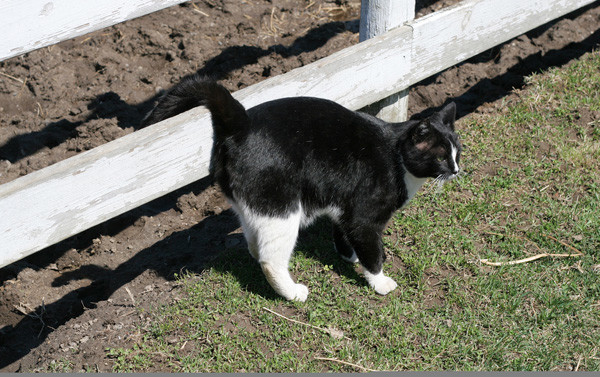
Territory is important to all felid species. But, based on a number of factors, including gender, age and habitats, each species' view differs on the topic. To varying degrees, our companion cats, their feral cousins and wild cats will defend their territories. Some work it out and share their space and resources; other’s not so […]
Patience is only one part of the equation to successfully film mountain lions in their natural environment. I’m the first to admit that patience isn’t one of my strongest characteristics. It can take weeks, sometimes months before a big cat cruises in front of a trail camera. The other crucial detail is finding a good […]
Everything about mountain lions fascinates me, and I hope that by using a trail camera I can capture videos of at least one of them engaging in natural behavior. Because I'm a cat behaviorist, I’m especially drawn to the behavioral similarities and differences between mountain lions and domestic cats. With a little luck and patience, our trail […]
One of the many gifts of technology is the trail camera. They make it possible for us to comfortably admire animals without disrupting their lives and impacting the environment. It’s especially sweet when wild cats of all sizes are caught in the lenses, living their lives and engaging in instinctual behaviors. I love trail cameras—the […]
04.12.15 Kittens are born blind and deaf. The vibration of their mother’s purr helps guide newborns to their first meals. Purring also helps keep them safe from predators. Because purr vibrations are not as easily detected as meows and other vocalizations, it is harder for predators to find the newborns. Purrs help newborn kittens survive. For lively […]
04.05.15 Litter box locations matter to cats. Cats do not like eliminating in places where they can potentially be cornered or where they feel trapped. Ideal litter box locations have great views—allowing cats to see what is going on around them and to easily escape any potential threat. Cabinets, closets, most bathrooms and behind doors […]
03.29.15 The best litter boxes for cats are large and uncovered. Covered litter boxes can be unpleasant for cats—they keep the odors in and cats feel they can be trapped and ambushed in them. Instead of covered litter boxes, get your cats large, uncovered, transparent plastic storage containers. These boxes have high sides, keeping litter […]
03.22.2015 Do not punish cats when they do unwanted behaviors. When cats act out they’re not being bad. They’re responding to an event or circumstances in their environment. Because punishing cats can make them more stressed and feel insecure, it can escalate problems and cause others. Punishment also ruins relationships. Kitties associate the punishment with the punisher—it […]
03.15.15 Obesity is unhealthy for cats. It can lead to serious medical issues and it decreases life expectancy. Before putting cats on diets or exercise programs, have them thoroughly examined by a veterinarian. Help keep your cats svelte by encouraging them to work a little for their meals. Instead of food bowls, place small portions of food and treats on […]
03.08.2015 Redirected aggression is frightening. It makes enemies out of bonded friends. It happens when animals of any species, unable to respond directly to a threat, vent their frustrations on the nearest animal. Common causes of redirected aggression in cats are neighborhood cats. The inside cats can see and sometimes smell the outsiders but are unable to […]